When a product becomes famous before the brand world is fully built.

Premm Anand
Presence Architect
Bussines
/
When a product becomes famous before the brand world is fully built
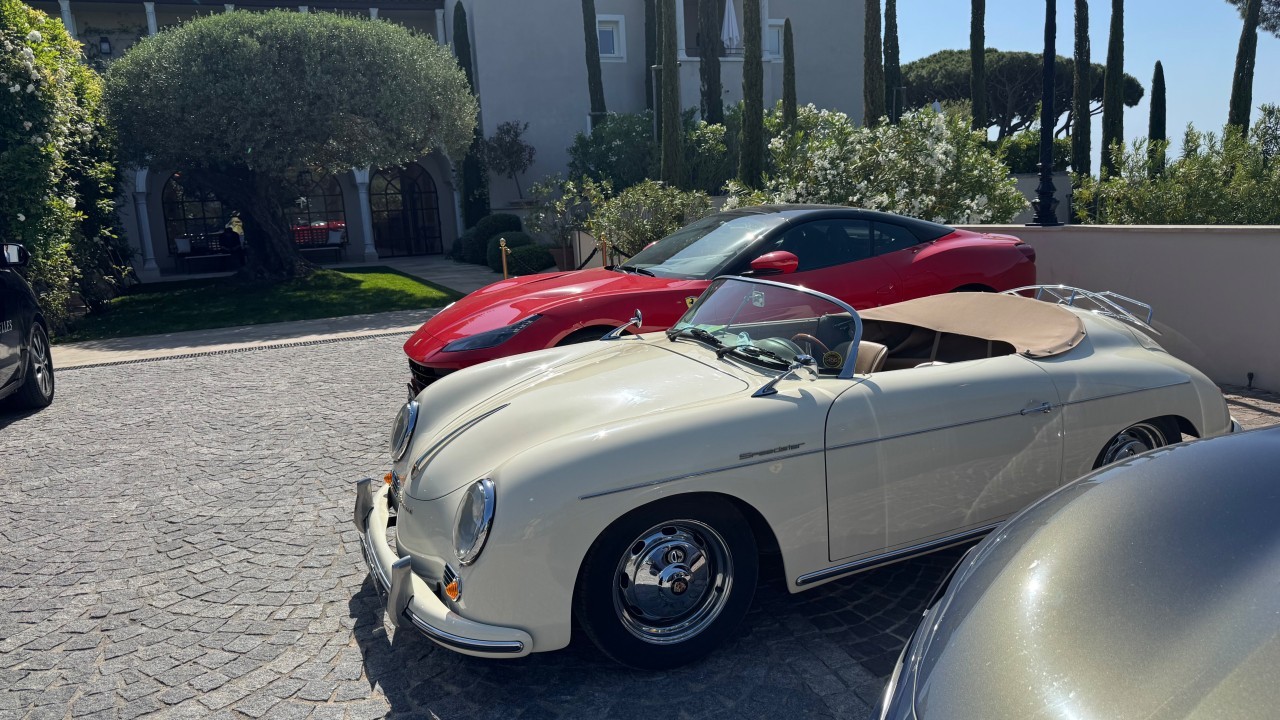
During my recent holiday in St Tropez, I noticed something quietly interesting.
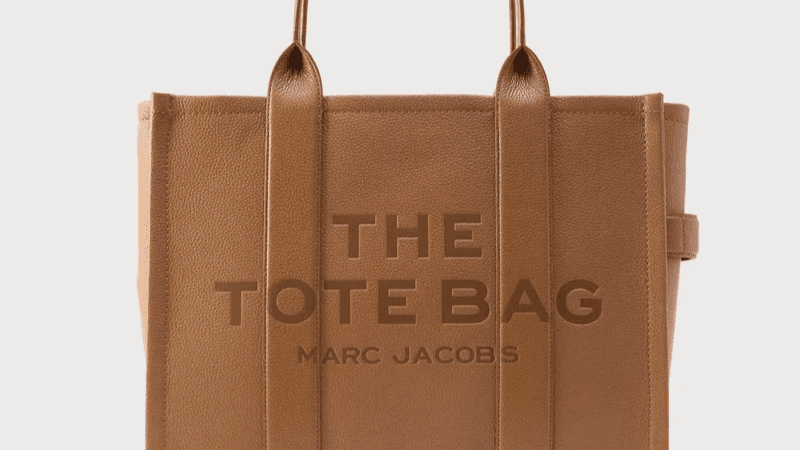
Around the pool, at breakfast, near reception — the same object kept appearing. The Marc Jacobs Tote Bag. Simple. Direct. Practically impossible to miss.
Why this bag? Why had it travelled so effortlessly across airports, resorts, and luxury settings?
I did a little research. That led me to Daniel Langer's article on Marc Jacobs, which made an important point: the brand has powerful assets, but the real challenge is building the world behind those assets.
This stopped being a fashion observation and started a learning as to how recognition does not gurantee sustainability.
A product can attract attention. A campaign can create visibility. But only a clearly designed emotional world creates desire.
The Tote Bag says exactly what it is. No mystery. No theatrical language. Just clarity. And in a world of overdesigned luxury codes, that directness is refreshing.
But it also raises a question that no product can answer on its own:
What do people feel when they enter the world of this brand?
Recognition is not the same as meaning. A client may notice the object. But what identity does it give them? What does the brand help them express or become?
That is where value is either deepened or diluted, and it applies to every premium service business, not just fashion.
The State You Create
In every premium service interaction, there is an invisible question underneath the transaction:
Who do I become in your world?
Clients are not just buying a room, a treatment, a meal, or a bag. They are buying a state — restored, seen, understood, elevated, at ease.
The danger for service businesses is the same as for Marc Jacobs: you can be technically excellent and emotionally thin at the same time. The room is ready. The treatment is delivered. The bag is sold. Everything works. But nothing truly lands.
What land, is the state you create in the person? That begins not at the point of delivery, but at the point of your entry. The State. What should a client feel the moment they discover you? When they arrive? Three days after they leave?
We came back from the holiday on Saturday, i can still feel the generosity of the place where we were in the last week, and the beauty of the space.
That is the work most organisations must care about.
The Values That Hold It Together
Marc Jacobs has strong fragments: New York energy, irreverence, humour, subversion, fashion intelligence. But fragments can only become lasting brand value when they are connected by meaning.
Values are not words on a wall. They are what an organisation syands upto when the moment gets difficult — when the guest is demanding, when the team is tired, when no one is watching.
Today's premium client is surrounded by choice. They can find beauty, luxury, and convenience almost anywhere. What they are searching for now is a world they can trust and return to. A world that makes them feel something they cannot easily find elsewhere.
That world begins with values — but only if those values are made visible through behaviour.
Marc Jacobs has The Tote Bag. Now it needs the world that makes the bag matter.
There is no strong story behind the brand.
Every service business should ask itself the same question:
Do we have the meaning behind the offer?
Because people may notice what you sell. But they remember how your world made them feel.
Your meaning will be your invisible advantage.
Premm Anand | premmanand.com