Empathy isn’t weakness. It’s emotional intelligence in action — the quiet power that turns resistance into rhythm.

Premm Anand
Presence Architect
Bussines
/

Empathy isn’t weakness.
It’s emotional intelligence in action — the quiet power that turns resistance into rhythm.
The best leaders don’t just manage results; they read the room — and recalibrate energy before it burns out.
When I took over a new property a few years ago, I inherited a team that was technically competent but emotionally exhausted.
They felt unseen, unacknowledged, and unappreciated — doing their work mechanically, without the pride that makes hospitality magical.
I didn’t change systems overnight.
Instead, I started seeing them.
Every morning, I’d walk the floor and ask how they were — not just what they were doing.
I listened when they vented. I gave space when they faltered.
And slowly, something invisible started to shift.
The atmosphere softened.
Laughter returned.
Guests began to notice the difference — without knowing why.
By the third month, the employers were over the moon.
They said, “We’ve never felt this ease, this smoothness in the house before.”
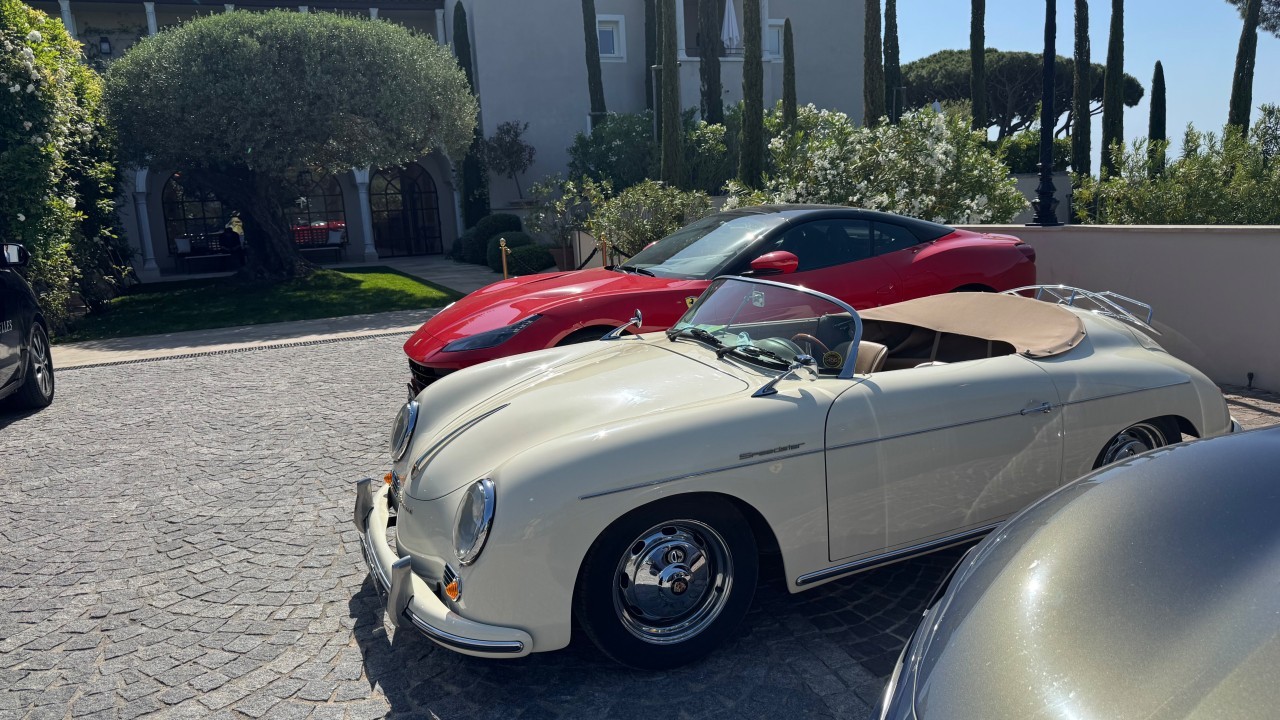
And as a token of appreciation, they surprised my wife and me with two VIP tickets to the prestigious Goodwood Horse Race — a gesture I’ll never forget.
That day, I realised something simple yet profound:
Empathy doesn’t just change moods. It changes outcomes.
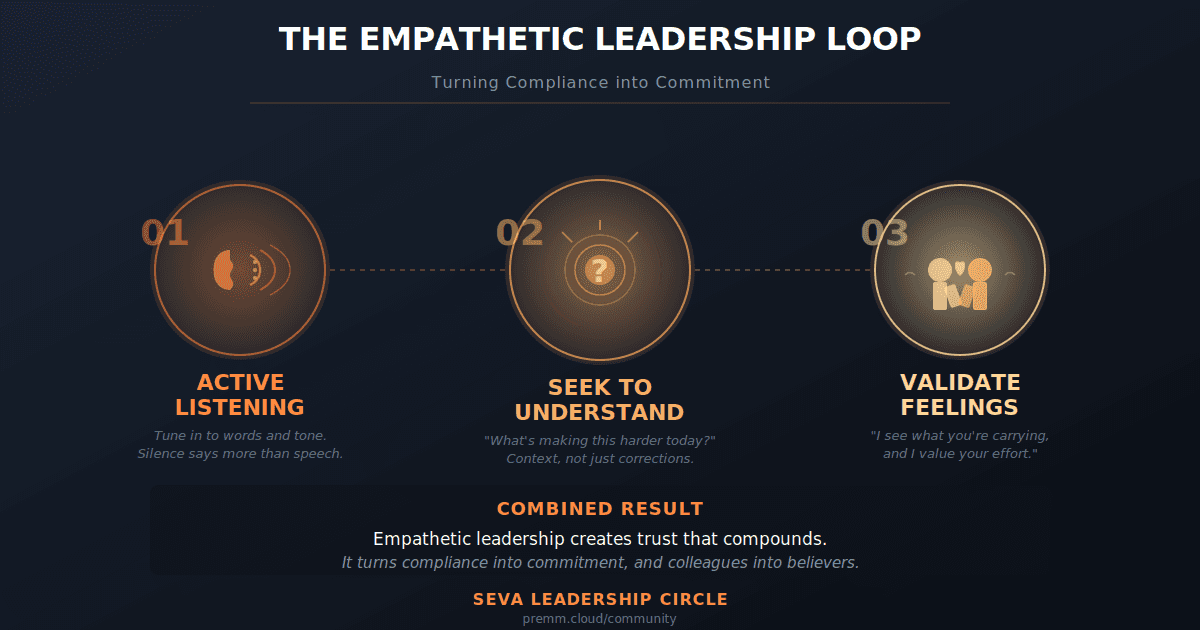
The Empathetic Leadership Loop
Step 1: Practice Active Listening
Tune in to words and tone.
In service, silence often says more than speech.
Step 2: Seek to Understand, Not to Respond
Ask questions that reveal context, not just corrections.
“What’s making this harder today?”
“How can I make it smoother for you?”
Step 3: Validate Feelings
Acknowledgement isn’t agreement — it’s alignment.
Say it out loud:
“I see what you’re carrying, and I value your effort.”
Combined Result:
Empathetic leadership creates trust that compounds.
It turns compliance into commitment, and colleagues into believers.
Ask yourself:
“Does my team work for me — or with me?”
When people feel seen, they don’t just serve better — they become better.
Join me for the live workshop
“Building High-Performing Teams with Empathy”
— where we’ll decode how emotional attunement drives tangible excellence in service.
[Reserve Your Seat → Link]
How important is empathy in leadership?
🌿 Essential
💡 Very Important
⚙️ Somewhat Important
🚫 Not Important
Empathy is the invisible thread between performance and peace.
Pull it gently — and you’ll lead with grace.